

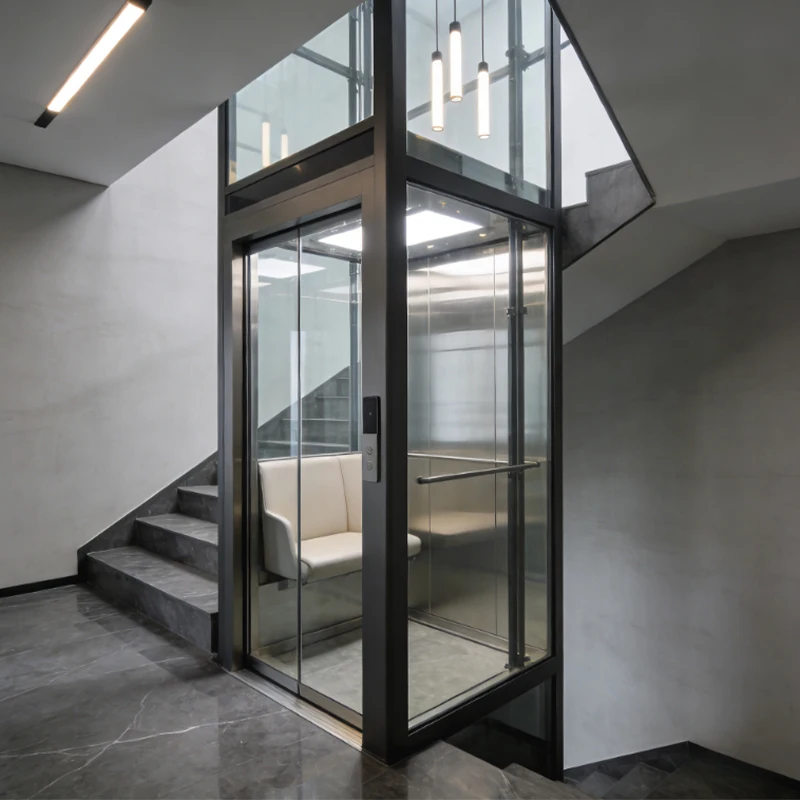
A home elevator is more than a luxury feature. For many households, it is a practical accessibility solution that helps people move safely and comfortably between floors. As multi-level homes become more common, the demand for residential mobility solutions continues to grow. Home elevators support aging in place, assist family members with mobility challenges, and make everyday routines easier for everyone in the home.
This guide explains how home elevators improve accessibility and daily living, what features matter most, and why they are becoming an important part of modern home design. It is written with clear, SEO-friendly structure and includes useful tables for readers comparing options, benefits, and common specifications.
A home elevator is a compact elevator system designed for residential use. Unlike commercial lifts, Residential Elevators are built for smaller spaces, lower traffic, and the daily needs of a household. They are typically installed in private homes, townhouses, villas, duplexes, and multi-story residences.
The purpose of a home elevator is simple: to provide safe vertical transportation inside the home. It can reduce physical strain, improve mobility, and create better access to upper and lower floors. For homeowners planning long-term living, a residential elevator can be a valuable investment in comfort, independence, and property functionality.
Home accessibility is essential for people of all ages. Steps, stairs, and narrow staircases can become difficult or dangerous to manage due to age, injury, disability, pregnancy, or temporary mobility limitations. Even healthy adults may find it inconvenient to carry heavy items such as laundry, groceries, suitcases, or cleaning supplies up and down stairs.
A well-designed accessible home helps residents live more independently and reduces daily barriers. In this context, a home elevator is a major improvement because it supports effortless movement between floors without relying solely on stairs.
Home elevators improve accessibility in several important ways. They help people with reduced mobility move around the home with greater confidence, less fatigue, and lower risk of falls. They also allow the home to remain usable over time, even as a family’s needs change.
| Accessibility Benefit | How It Helps Daily Living |
|---|---|
| Reduced stair use | Minimizes the need to climb stairs repeatedly during the day |
| Safer movement between floors | Helps lower the risk of slips, trips, and stair-related falls |
| Support for mobility limitations | Assists seniors, wheelchair users, and people recovering from injury |
| Improved independence | Lets residents move around the home without constant help from others |
| Better home usability | Makes upper floors, basements, and multi-level areas easier to access |
These benefits are especially valuable in homes where bedrooms, bathrooms, or essential living spaces are located on different floors. Instead of planning around the stairs, residents can move naturally through the home.
Beyond accessibility, home elevators make everyday life easier in a variety of practical ways. Their value is not limited to older adults or people with disabilities. Many households use residential elevators to simplify common routines and reduce physical effort.
One of the most obvious benefits is the ability to move between floors without climbing stairs. This is helpful for anyone who is tired, carrying something, or simply wants a more comfortable way to move throughout the home.
Home elevators make it easier to transport groceries, laundry baskets, luggage, books, and household supplies. This reduces strain on the body and helps prevent accidents caused by balancing items on stairs.
Many homeowners want to stay in their current home as they age. A residential elevator supports aging in place by allowing people to remain in a multi-story home even if stairs become difficult later in life.
Families with children, older adults, and busy schedules often appreciate the convenience of an elevator. It makes morning routines, bedtime transitions, and household chores easier to manage.
For people who experience pain, fatigue, shortness of breath, or reduced stamina, a home elevator can conserve energy for more important activities. Instead of using energy on stairs, residents can move comfortably and efficiently.
Home elevators are useful in many different situations. While they are often associated with senior living and accessibility planning, they can benefit a wide range of homeowners.
| User Group | Primary Benefit |
|---|---|
| Seniors | Safer, easier access to all floors and support for aging in place |
| Wheelchair users | Improved vertical mobility and greater home independence |
| People recovering from surgery | Reduced strain while healing and moving through the home |
| Families with young children | Safer transport of children, strollers, and daily items |
| Homeowners with large homes | Greater convenience in homes with multiple levels |
| People with chronic pain or limited stamina | Less physical effort during everyday movement |
Because every home and household is different, the accessibility value of a home elevator can vary. However, the core benefit remains the same: easier and safer movement between floors.
Residential elevators come in several common types, each with different installation needs, space requirements, and performance characteristics. Understanding these categories helps homeowners compare options more effectively.
| Type | Typical Use | Main Advantage |
|---|---|---|
| Hydraulic home elevator | Standard residential applications with smooth operation | Reliable performance and comfortable ride quality |
| Traction home elevator | Homes requiring efficient movement across multiple floors | Energy efficiency and compact mechanical design |
| Pneumatic elevator | Homes seeking a space-saving vertical lift solution | Modern appearance and reduced structural requirements |
| Machine-room-less elevator | Homes with limited installation space | No separate machine room required |
| Wheelchair-accessible elevator | Accessibility-focused homes | Designed for mobility device use and easier entry |
Each type may offer different size, speed, and configuration options. The best choice depends on home layout, user needs, budget, and available installation space.
When evaluating a home elevator, accessibility-focused features are especially important. These features improve ease of use, reduce risk, and support a broader range of users.
| Feature | Why It Matters |
|---|---|
| Wide cabin entry | Makes it easier to enter with mobility aids, luggage, or household items |
| Non-slip flooring | Improves safety for all passengers |
| Handrails | Provides additional stability inside the elevator car |
| Easy-to-use controls | Helps users with limited hand strength or dexterity |
| Low-threshold or flush entry | Reduces trip hazards and improves wheelchair access |
| Emergency communication system | Adds an important layer of safety in case of malfunction |
| Battery backup or lowering function | Helps manage power interruptions safely |
| Automatic doors | Reduces physical effort and improves convenience |
Accessibility features should be selected based on the household’s present and future needs. A well-planned elevator should feel easy to use for children, adults, seniors, and guests.
Home elevator specifications vary by design, manufacturer, and installation requirements. The table below shows common residential elevator ranges for general comparison purposes only.
| Specification | Typical Residential Range |
|---|---|
| Passenger capacity | 2 to 6 persons, depending on model and cabin size |
| Weight capacity | Approx. 300 lbs to 1,000+ lbs |
| Travel height | Commonly 2 to 4 floors in private homes |
| Cabin size | Compact to wheelchair-accessible configurations |
| Speed | Usually designed for comfortable residential travel, not high-speed use |
| Door style | Manual or automatic doors, depending on system design |
| Drive system | Hydraulic, traction, pneumatic, or other residential technology |
| Power requirement | Varies based on model and installation configuration |
These numbers are broad industry examples. Exact specifications should always be confirmed during project planning, since structural conditions and accessibility goals can change the final design.
Safety is one of the strongest reasons to install a home elevator. Stairs are a common source of household accidents, especially when people are tired, distracted, carrying objects, or physically limited. A home elevator reduces many of these risks by offering a stable enclosed travel space.
Modern residential elevators may include safety systems such as door interlocks, emergency stop functions, obstruction detection, backup lowering systems, and controlled leveling. These features support safer daily use and help protect passengers during operation.
For households with seniors or people at higher fall risk, the safety advantage can be a major deciding factor. Instead of depending on balance and stair navigation, passengers can use a controlled lift that supports more secure movement.
Aging in place means remaining in one’s own home safely and comfortably as needs change over time. A home elevator is one of the most effective upgrades for aging-in-place planning because it reduces dependence on stairs, which often become harder to use with age.
By installing a home elevator before mobility becomes a serious issue, homeowners can prepare for the future while enjoying the convenience immediately. This proactive approach can help avoid disruptive renovations or forced relocation later.
Many homeowners view a residential elevator as part of a long-term accessibility strategy. It supports independence, family stability, and the ability to continue living in a familiar environment.
Convenience is one of the most practical reasons people choose a home elevator. Everyday tasks often involve repeated trips between floors, and stairs can turn simple routines into tiring chores. With an elevator, those routines become faster and easier.
| Daily Task | How a Home Elevator Helps |
|---|---|
| Carrying laundry | Moves clothes and baskets between floors without heavy lifting |
| Grocery transport | Reduces the risk of dropping bags or straining while climbing stairs |
| Bedroom access | Makes upper-floor sleeping areas easier to reach |
| Cleaning supplies | Allows safer movement of vacuums, mops, and household tools |
| Guest movement | Offers a more comfortable option for visitors with mobility concerns |
| Luggage handling | Helps during travel prep, vacations, and holiday storage tasks |
The result is a smoother daily routine with less physical effort and greater household efficiency.
A home elevator requires thoughtful planning. Space availability, structural support, access points, and local building requirements all affect the final installation. Some systems need more room, while others are designed for compact footprints.
Homeowners should consider how the elevator will connect key floors and how it will fit into the existing layout. Common installation locations include hallways, closets, stair-adjacent spaces, and dedicated vertical shafts. The goal is to create a solution that improves accessibility without disrupting the home’s overall flow.
Although each project is different, a well-planned residential elevator should complement the architecture and provide easy access where it matters most.
In many markets, a home elevator can improve a property’s functional appeal. While the exact impact on value depends on location, design, and buyer expectations, accessible features are increasingly attractive to a broader range of homeowners.
A residential elevator may also extend the usefulness of a multi-story home. Instead of viewing stairs as a limitation, the home becomes more adaptable to future needs. This can be especially important for homeowners who want a long-term residence that remains practical over time.
From a lifestyle perspective, the biggest value is often not resale alone, but the daily comfort and flexibility the elevator provides while living in the home.
Homeowners often compare elevators with stairlifts when considering accessibility improvements. Both solutions can be useful, but they serve different needs.
| Feature | Home Elevator | Stairlift |
|---|---|---|
| Vertical access | Moves users between floors inside a cabin | Moves users along the stairs on a seat or platform |
| Passenger comfort | Offers enclosed, level travel | Requires transfer onto the lift seat or platform |
| Mobility support | Can better serve wheelchair-accessible needs | May be less suitable for some mobility devices |
| Space impact | Requires dedicated installation space | Uses existing staircase path |
| Home experience | Integrated architectural feature | More compact and targeted solution |
A stairlift may be appropriate for some homes, but a home elevator often provides a more complete accessibility solution, especially when multiple people use the space or when long-term planning is important.
For SEO purposes, it is helpful to understand commonly searched terms related to residential elevators. These keywords often appear in articles, category pages, and service pages focused on accessibility and home mobility.
| Keyword Theme | Example Search Terms |
|---|---|
| General term | home elevator, residential elevator, private home lift |
| Accessibility | home accessibility solution, mobility support, aging in place |
| Convenience | easy floor access, carrying items between floors, multi-level home convenience |
| Safety | safer than stairs, fall prevention, residential lift safety |
| Planning | home elevator installation, compact elevator, Small Home Elevator |
Using these keyword themes naturally throughout a page can help it rank for relevant search intent while keeping the content helpful and readable.
Home elevators improve accessibility and daily living by making multi-story homes safer, easier, and more comfortable to navigate. They help people of different ages and abilities move between floors with less effort, greater confidence, and more independence. They also support aging in place, reduce stair-related strain, and add convenience to everyday household tasks.
For homeowners planning for the future, a home elevator is a practical accessibility upgrade with long-term lifestyle benefits. Whether the goal is safety, convenience, mobility support, or better home functionality, residential elevators continue to play an important role in modern living.
| Topic | Summary |
|---|---|
| Main purpose | Improves accessibility and vertical movement inside the home |
| Primary users | Seniors, families, wheelchair users, and people with mobility concerns |
| Core benefits | Safety, convenience, independence, and aging-in-place support |
| Common types | Hydraulic, traction, pneumatic, machine-room-less, wheelchair-accessible |
| Typical application | Multi-story residential homes and accessibility-focused renovations |
Situs web ini menggunakan cookie untuk memastikan Anda mendapatkan pengalaman terbaik di situs web kami.
 English
 ไทย
ไทย Tiếng Việt
 Filipino



 Telepon
Komentar
(0)